
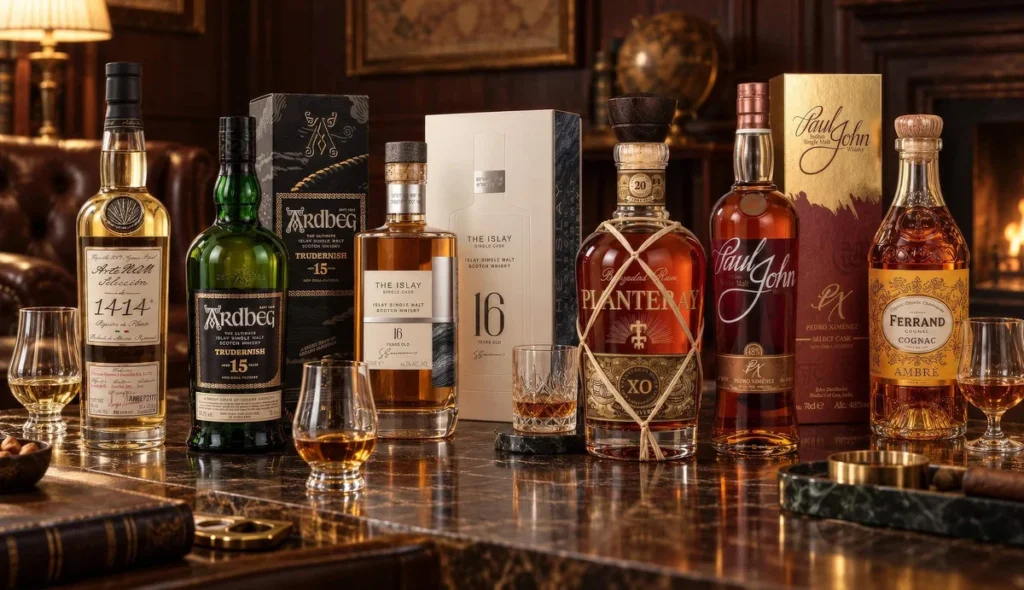
You’re in a hotel room you don’t remember choosing, the city outside is three hours ahead, and there’s exactly one decision left that matters tonight: which bottle to pour. I’ve made that call from hotel minibars, airport lounges, and more than one very late kitchen table in a city I can’t spell, and after 30+ flights a year I have opinions about where the money in a bottle actually goes.
Some spirits are worth loosening your grip. Extra time in cask, better raw materials, a distiller who actually cares about the next step — these turn a good bottle into one you remember. Other categories? The jump from a $30 bottle to a $70 one is mostly marketing. Here are the six I’d push for, and the two where I save without guilt.
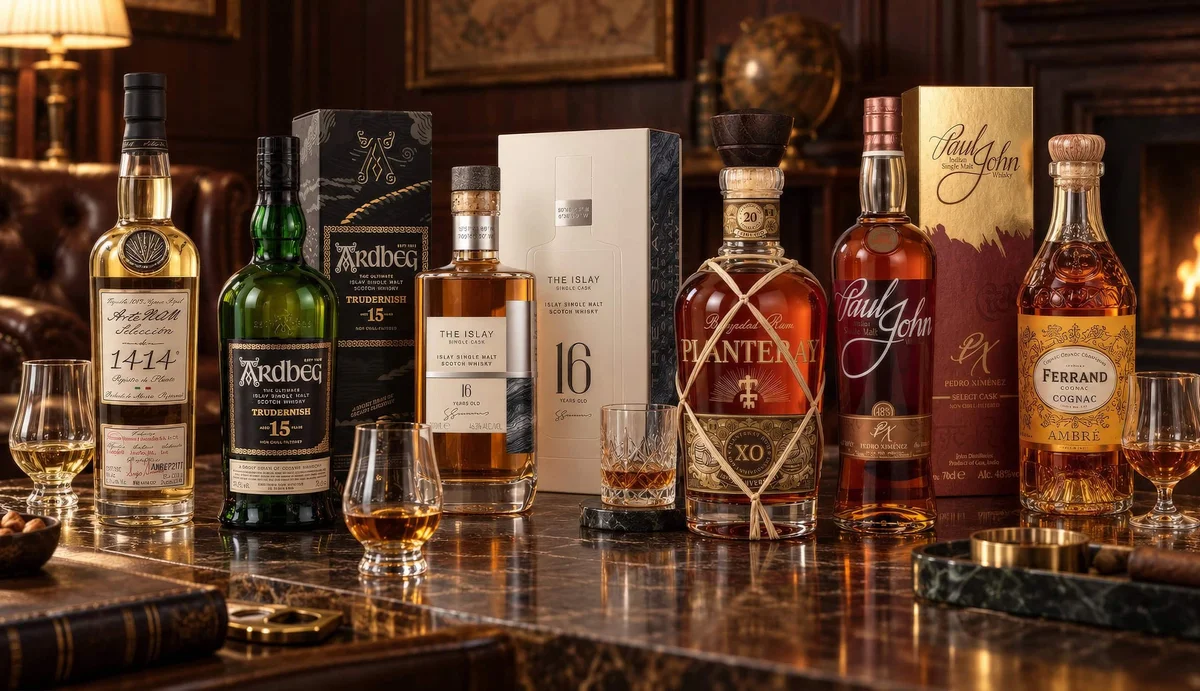
Ardbeg Trudernish 15 Years Old — Single Malt Scotch
Ardbeg, the Islay distillery that built its reputation on smoke, has made Trudernish a permanent part of its core range. The name comes from an ancient settlement on the island’s southeastern coast, home to a well that was said never to freeze. Fitting, for a whisky that refuses to play it safe.
It’s finished across a trio of cask types — ex-bourbon, ex-Oloroso sherry, and charred new oak — and the extra time in wood shows. Bold, smoky, sweet, oily: golden syrup and caramelised apricot on top of vanilla ice cream and toffee apple, all wrapped in ashy smoke with damp moss and seaweed underneath. This is the bottle I take to dinners where someone says they “don’t really do smoky stuff.” They do now.
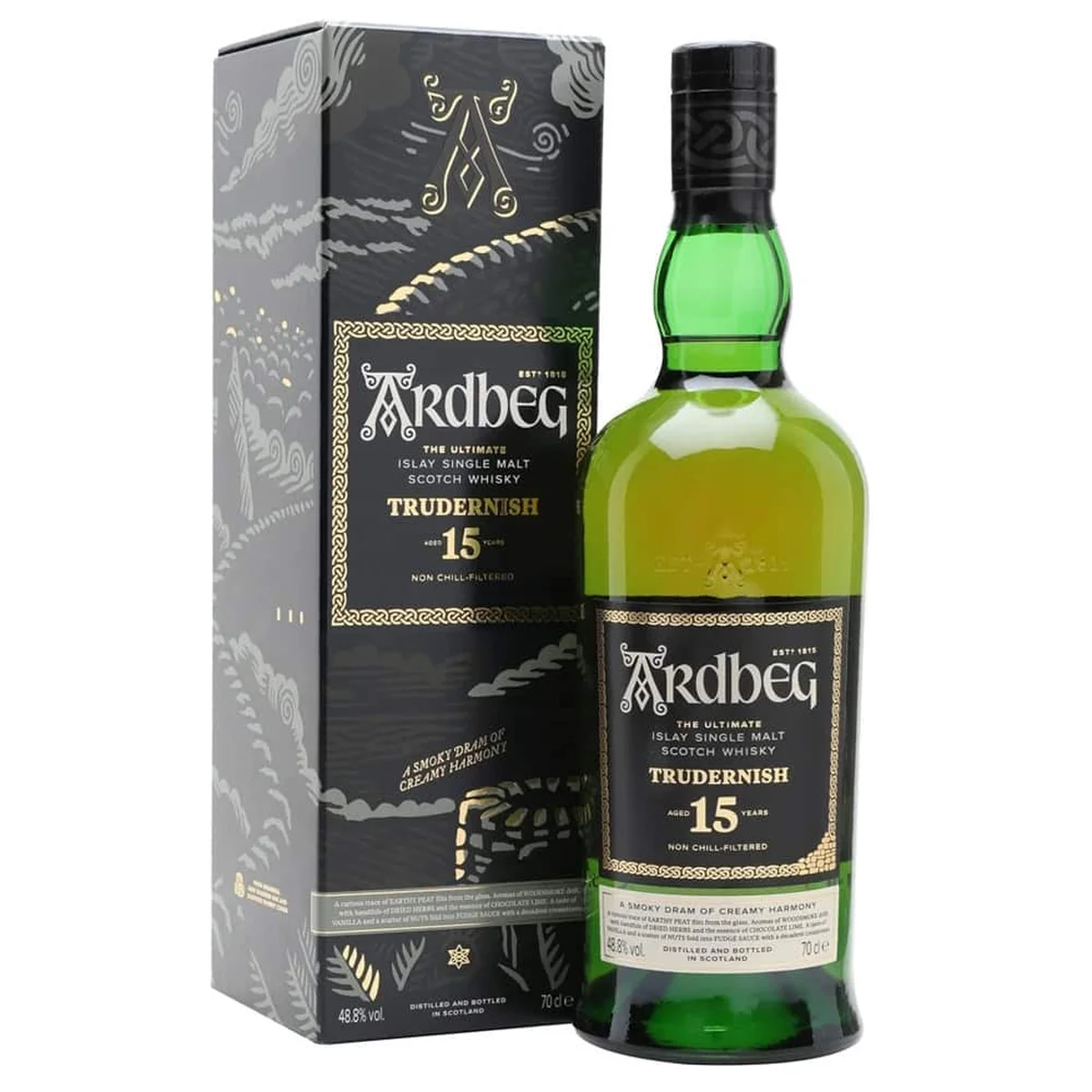
Buy it at The Whisky Exchange.
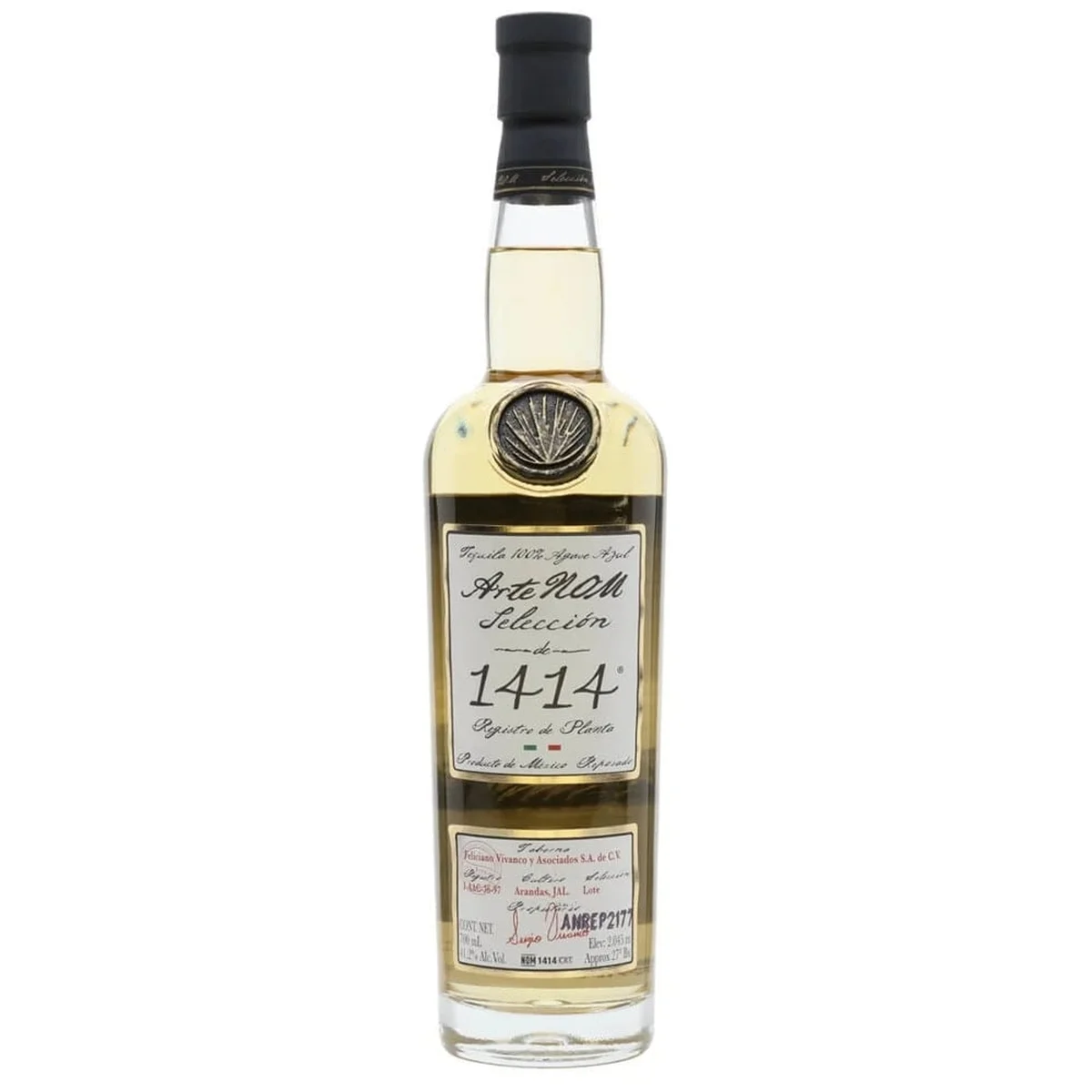
ArteNOM 1414 Reposado — Tequila
The big names own the tequila aisle, and that’s where most of us stop looking. ArteNOM takes a different route: each expression showcases tequila from a single distillery, identified by its NOM number. For this reposado, NOM 1414, the agave is fermented in open stainless-steel vats with naturally occurring field yeasts, then double-distilled in copper pot stills.
Reposado means “rested” — oak maturation from two months to a year — and this one has a genuinely complex profile: a slight funk, some minerality, butterscotch, cinnamon spice, floral honey, and a peppery finish. It’s the tequila I reach for when I want something that isn’t the usual suspects on the shelf.
Buy it at The Whisky Exchange.
Ferrand Cognac Ambré — Cognac
Cognac is one of the quiet value plays in the whole spirits world. The big houses get all the shelf space, but scratch below them and there are smaller producers delivering serious quality without a dramatic jump in price. Ferrand is the one I’d start with: the house was revived by Alexandre Gabriel in 1989, and today it works extensively with vineyards in Grande Champagne, Cognac’s premier cru.
Ambré blends Ugni Blanc and Colombard grapes into a honeyed, floral, fruity style — green apple and apricot with jasmine and vanilla. It’s excellent neat over a single large cube, but it has enough brightness to hold its own in a proper Sidecar. That second life is what makes it the one I actually keep in the apartment.
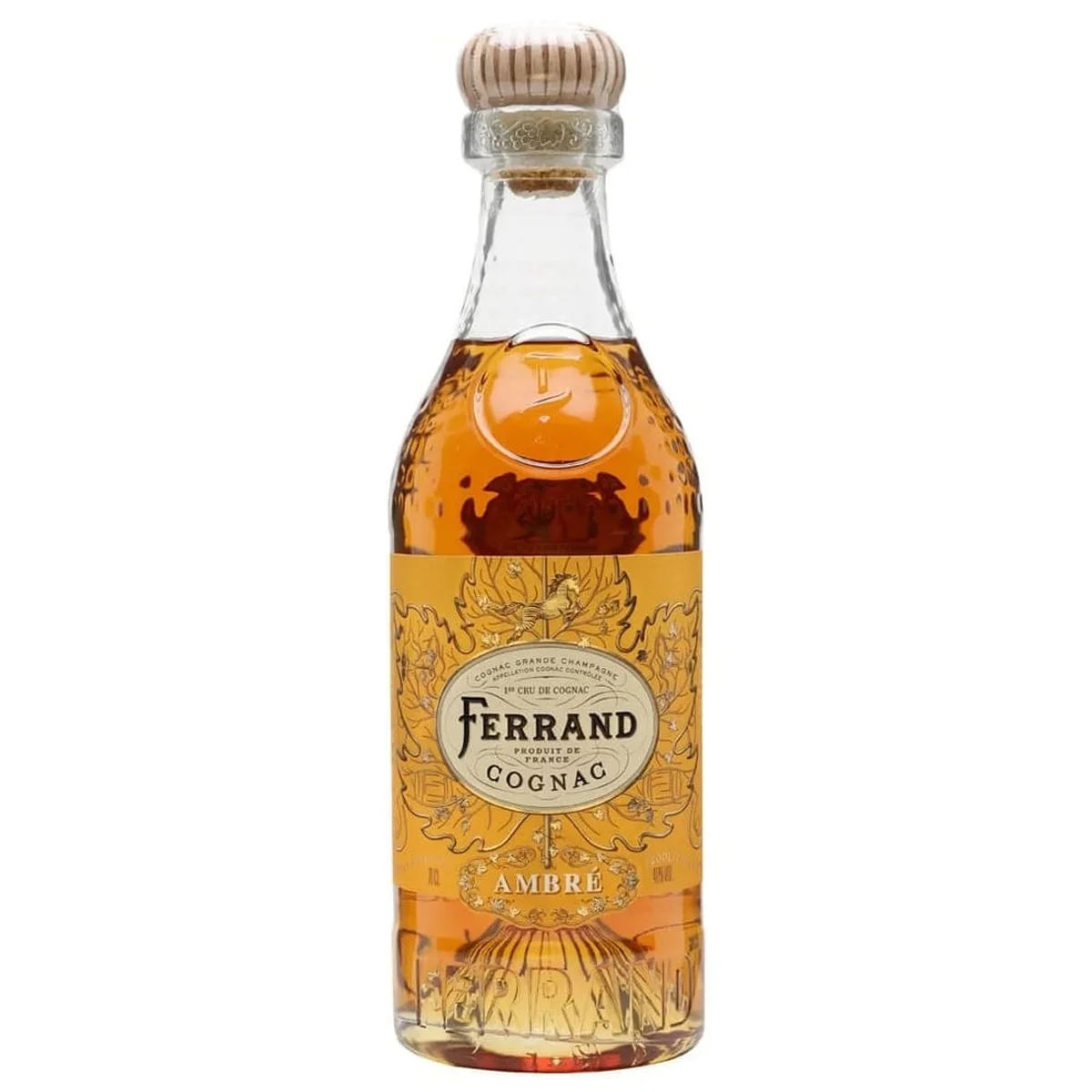
Buy it at The Whisky Exchange.
Paul John PX Select Cask — Indian Single Malt
Indian single malts are having their moment, and Paul John has done a lot to get the category onto the international map. The distillery sits in Goa, in a hot, humid climate that accelerates maturation and concentrates flavour — which you absolutely taste.
The PX Select Cask is finished in hand-picked Pedro Ximénez sherry casks, adding a layer of richness to an already full-bodied spirit. Milk chocolate, caramel, dark dried fruit, warming baking spices, tropical fruit, candied citrus peel. Decadent without being cloying. If you’ve never tried Indian whisky, this is the most sensible first pour I know.
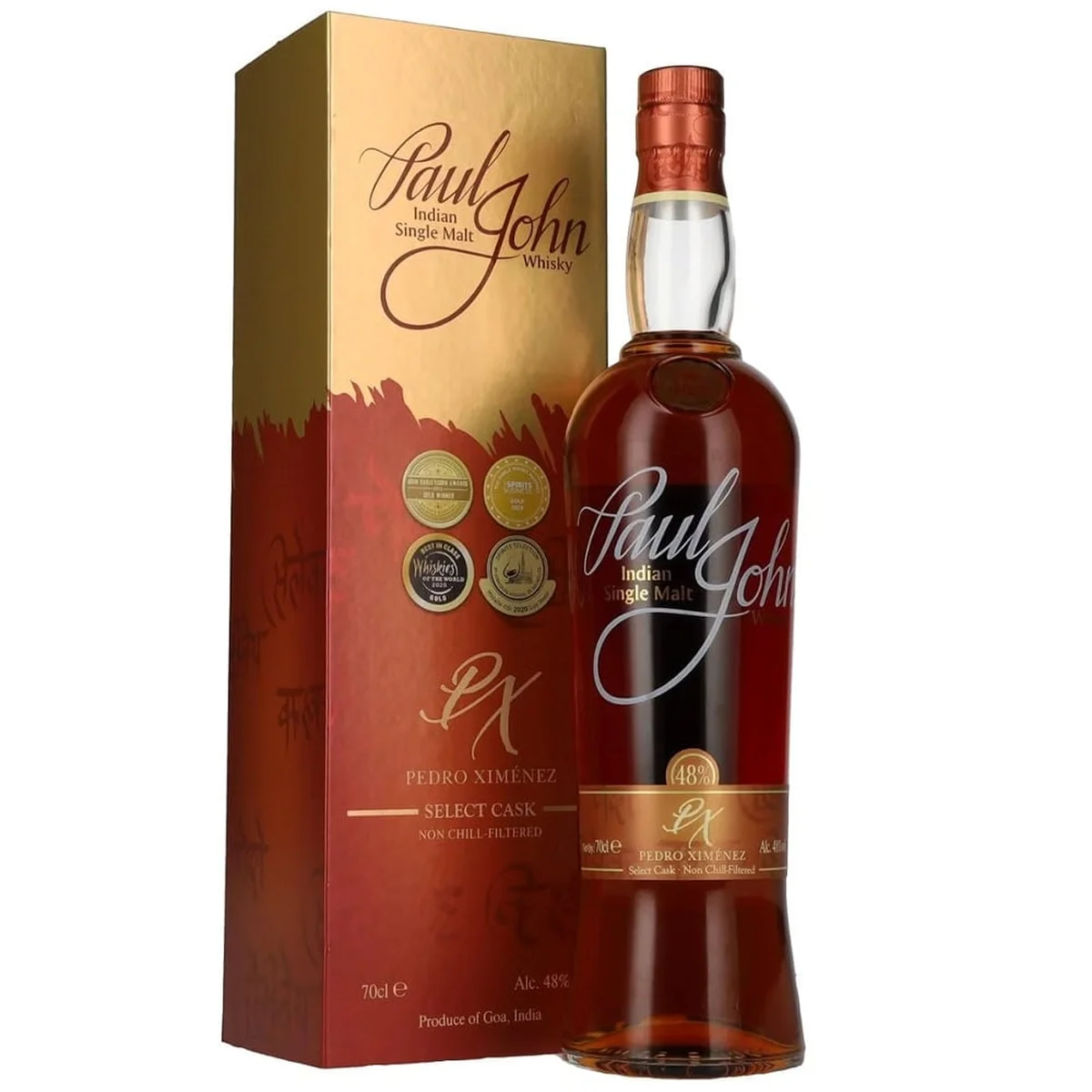
Buy it at Master of Malt.
Planteray XO 20th Anniversary — Rum
Rum is the category where the value is usually unbeatable, but this Barbados-made XO shows what careful ageing can do when you’re willing to spend a little more. It starts its life in ex-bourbon barrels in the Caribbean, then travels to France for further maturation in ex-Cognac casks.
The result is rich and indulgent: a molasses backbone, tropical fruit — pineapple, mango, ripe banana — milk chocolate and fresh vanilla, with toasted coconut and plump sultana at the edges. The anniversary in the name is for Alexandre Gabriel’s 20th year as the brand’s Master Blender. One of those bottles that earns its shelf space on its own.
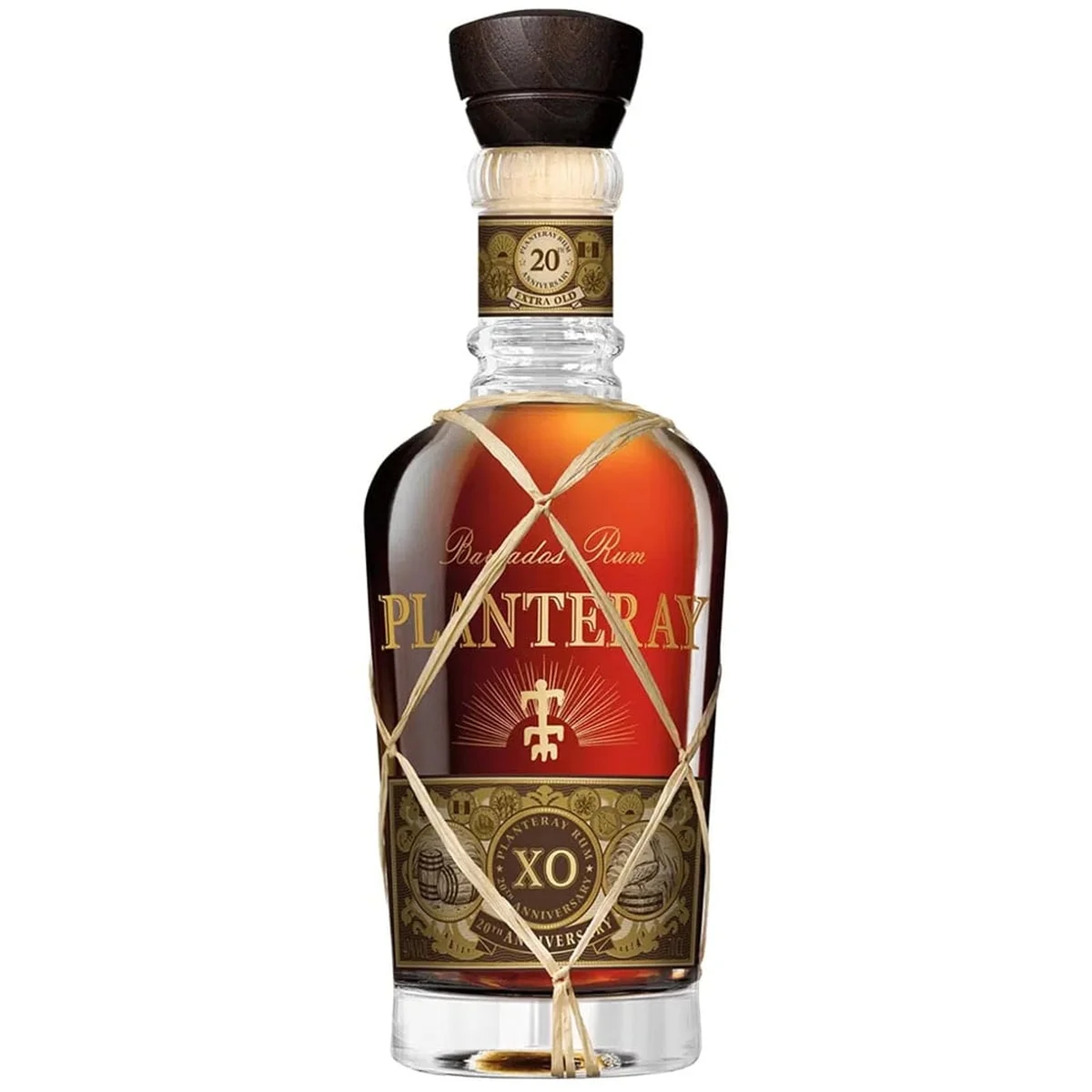
Buy it at Amazon.
The Islay 16 Years Old — Single-Cask Scotch
This is the entry point to a new collection of single-cask single malts from retailer Master of Malt, created with brand design agency Studio Minerva — conceived as a love letter to Islay, with 20- and 30-year-old expressions in the range too. The whiskies come from unnamed Islay distilleries, with subtle clues to their origins worked into the packaging.
The 16-year-old feels elemental: ashy bonfire smoke and earthy spices, sweet toffee, ripe tropical fruit, and a granite-like minerality. Creamy, oily texture. It’s the kind of whisky that reminds you exactly why well-aged Islay single malt can justify the extra spend — and the hunt for the distillery behind it is half the fun.
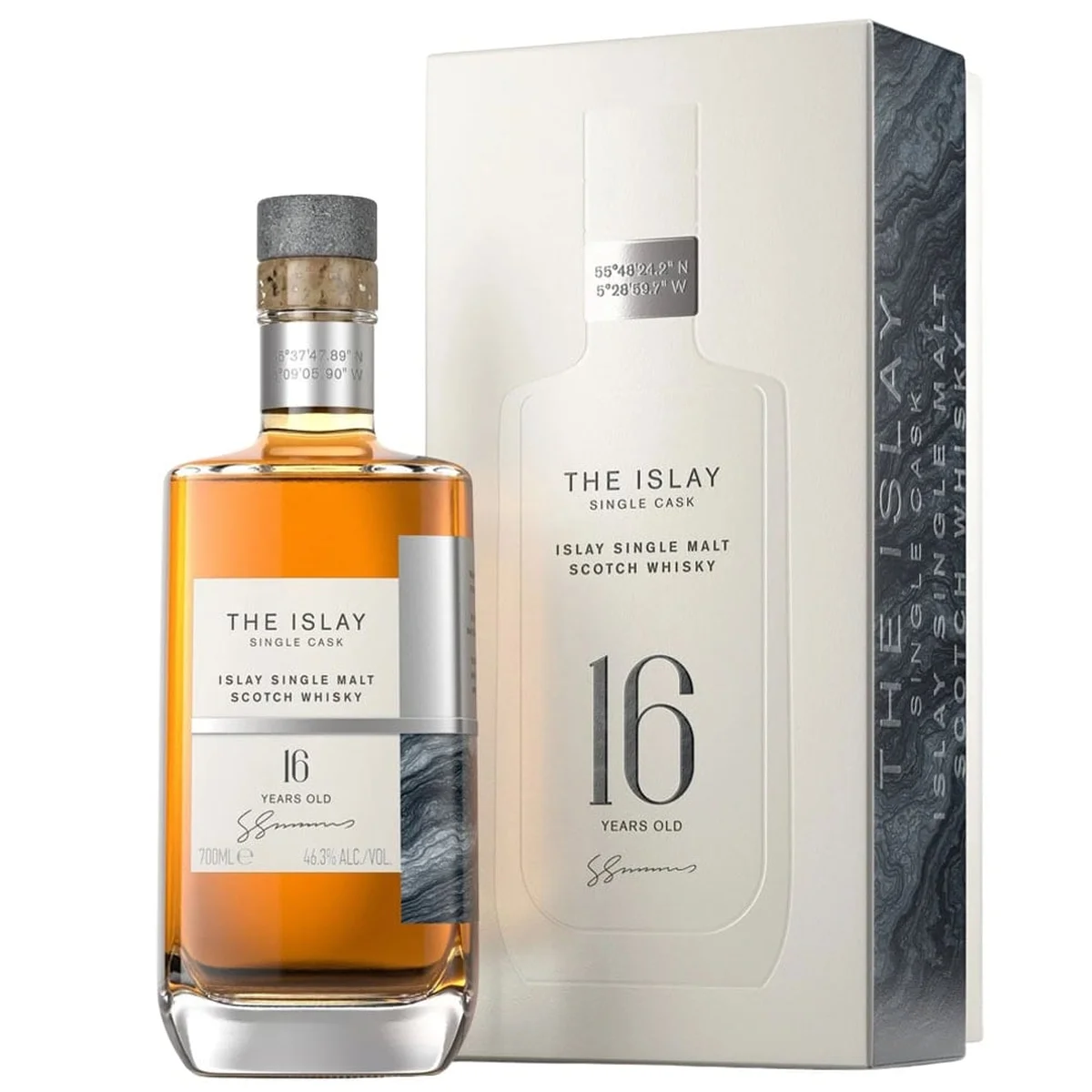
Buy it at Master of Malt.
Where You Don’t Need To Spend Big
Price and quality don’t rise neatly together. Past a certain point the returns flatten fast — especially when the bottle is going into a cocktail rather than being sipped neat. Two categories where I save without a moment’s guilt:
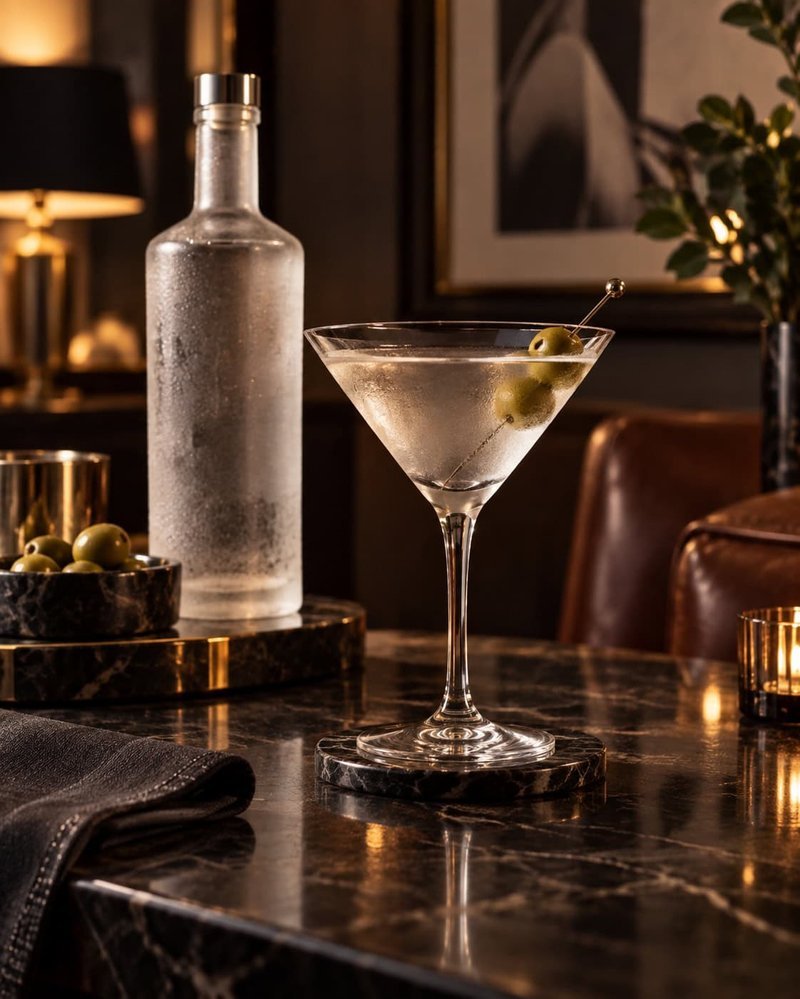
Vodka
You can spend serious money on vodka, and you don’t need to. Past the bargain-basement stuff, plenty of well-made bottles are clean, smooth, and characterful enough for a Martini or a long pour over ice. Premium raw materials and careful distillation make a difference — but a $70 bottle isn’t automatically twice the experience of a good one at half the price. Unless you’re into provenance or drink it neat, this is where your budget belongs.
Gin
Gin is a little more complicated, because botanicals can create genuinely distinctive profiles. But spending more still doesn’t guarantee a better drink — there are outstanding bottles at sensible prices from established distilleries and small producers alike. If it’s going into a G&T or a Negroni, I’d rather find a well-balanced gin I like and spend the difference on good tonic, vermouth, and ice. Save the expensive, unusual expressions for nights when their particular botanicals can actually shine.
The 2-Minute Fix
Next time you’re at the shelf, run one test: does the extra cost buy time in wood, better raw material, or a specific production choice you can name? If the answer is “it’s in a nicer box,” put it back. Spend where you can taste the difference — your glass will usually tell you which is which.
Glow doesn’t wait — and neither do you.