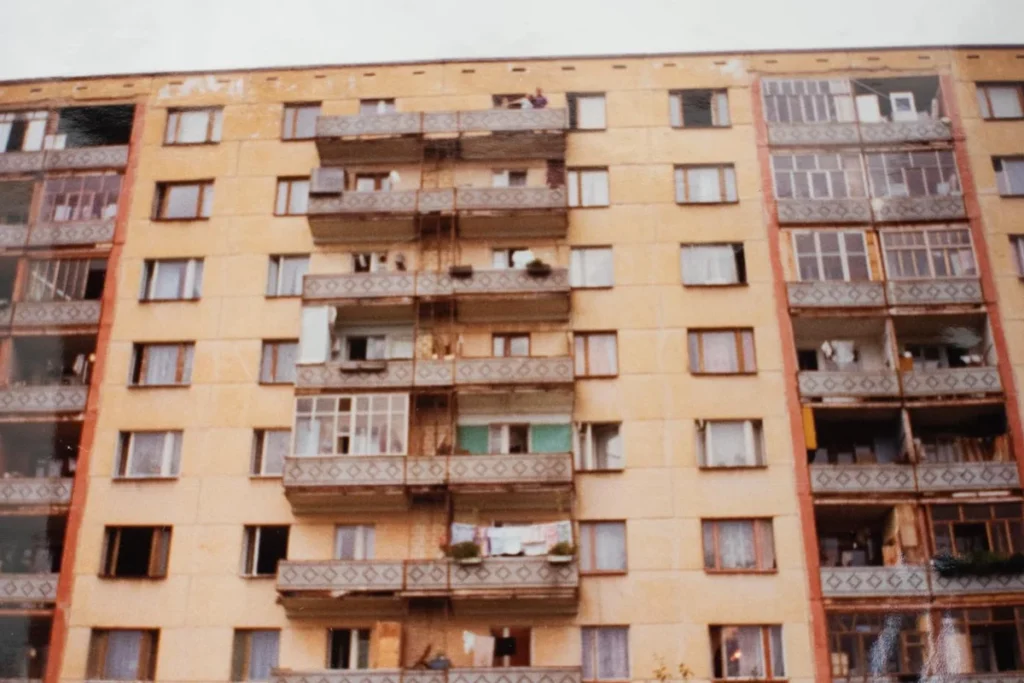
Three hours from the group chat, someone posts: Has your hot water come back on? Our whole summer over there had one answer for everything, and I still use it today. Last summer I was living on the 9th floor of building 401 in Izhevsk, Russia, in a working-class, communist-era building my dad had rented for years. It had two rooms, a kitchen, and a windowless bathroom split into two sides. It was not the apartment I would picture in a glossy travel article. It was the one that changed how I pack, how I buy, and how I handle the days where the plan falls through.
## The building first, the rest later
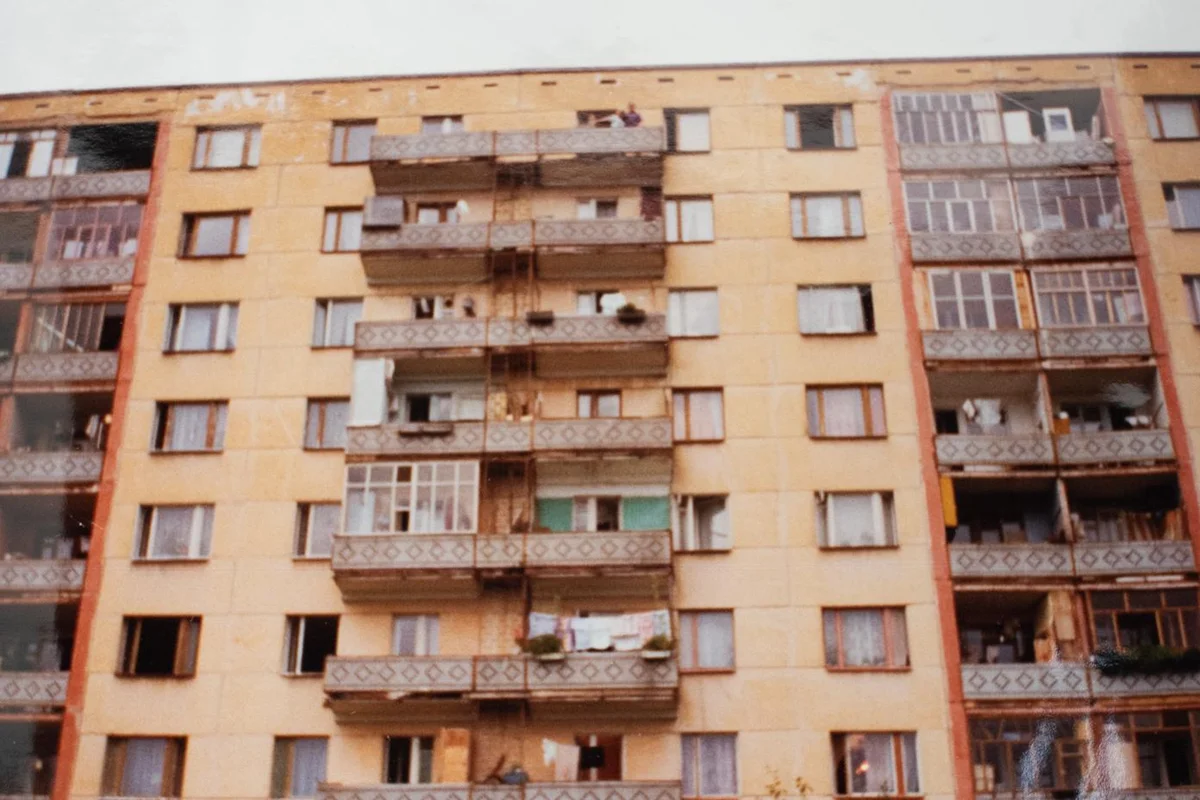
Izhevsk is the capital of the Udmurt Republic, west of the Ural Mountains. The building itself was painted an ocre yellow and it wasn’t cheery, homey, or welcoming — it was the color of a hard edge and a desaturated weekend. From the courtyard you could see clothes lines and little container gardens in every window. Neighbors shrugged when the stairwell smelled the way stairwells smell, because that was just how it was. The lawns and benches between the buildings were worn, unkempt, tired. Hard edges, no flair.
I’m claustrophobic — childhood bathroom stalls and stuck elevators left their mark — so at first I took the stairs, even though we were on the top floor. Eventually I broke and took the elevator, but only when someone else was in it. Half the buttons were burned off, and I stopped believing in it either. Neighbors would just laugh, throw up their hands, and say “кaшмар” — “kashmar” in the closest I can manage. It means nightmare, but the way it landed was warm: a nod that the day had been hard, and was handled anyway. Do you have hot water today? became the standing question, and the standing answer was the same. Da. Kashmar.
## The kitchen, the stove that taught me patience
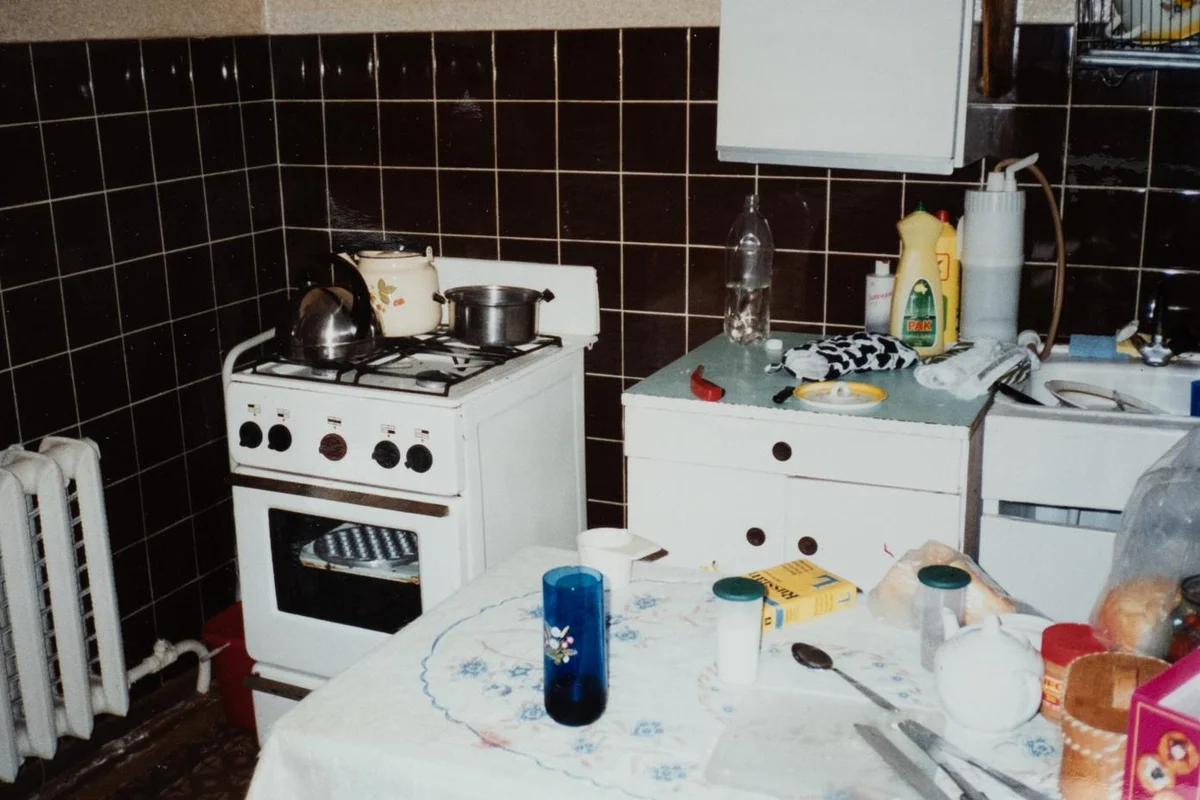
The kitchen was small, brown-tiled, and cluttered almost by default: about two feet of counter, a studio-size fridge, a tiny gas range, and a table that doubled as the dining room. Stuff sat on top of the fridge, around the sink, on the floor — and it still worked. The stove had to be lit by hand. My first try had me turning the dial, filling the kitchen with gas, wondering if this was a building that did everything in reverse. My dad showed me the lighter. By the end of the summer I lit it without thinking.
Everything in that kitchen was a compromise. The faucet was on the right side of the sink. The counter was a piece of wood with a drawer that stuck. I cooked my own eggs in my own bed tray. It was not a system I would recommend to a friend who doesn’t have a year of patience, but it is the reason I now place every bottle and every jar where I can see it, and never once need to think twice to find the thing I need.
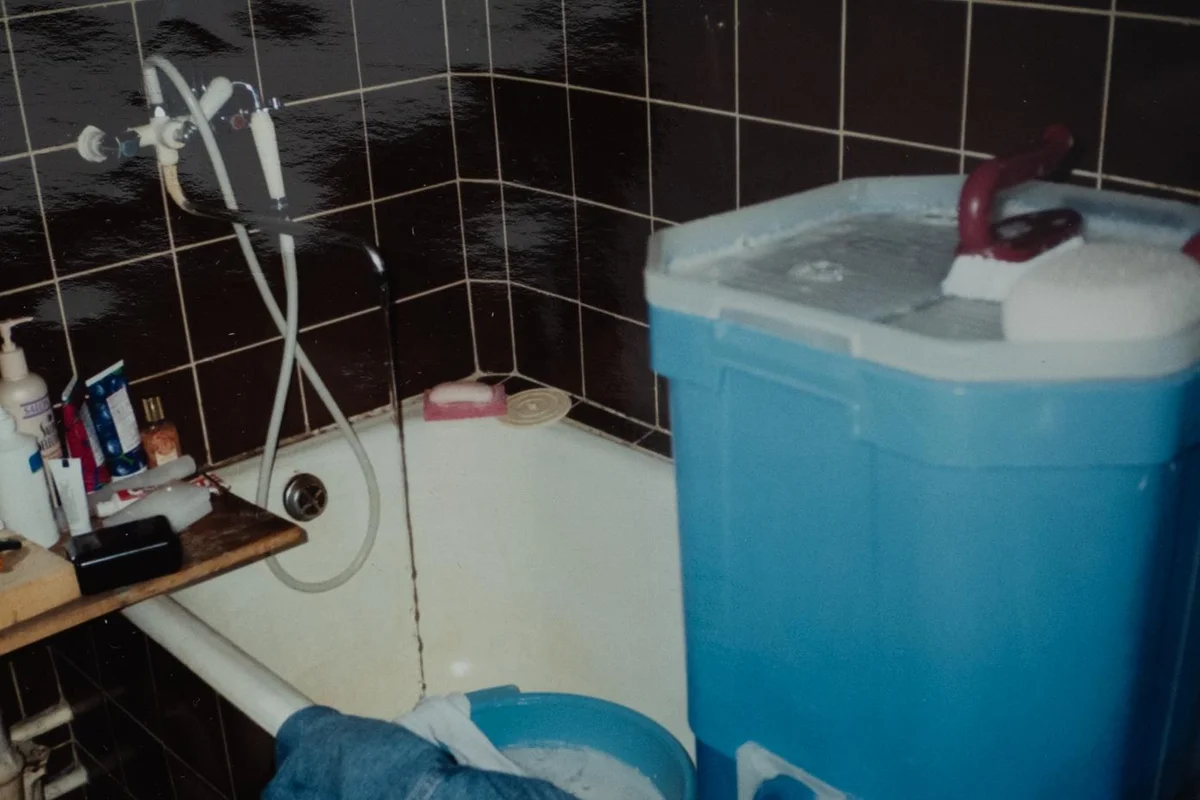
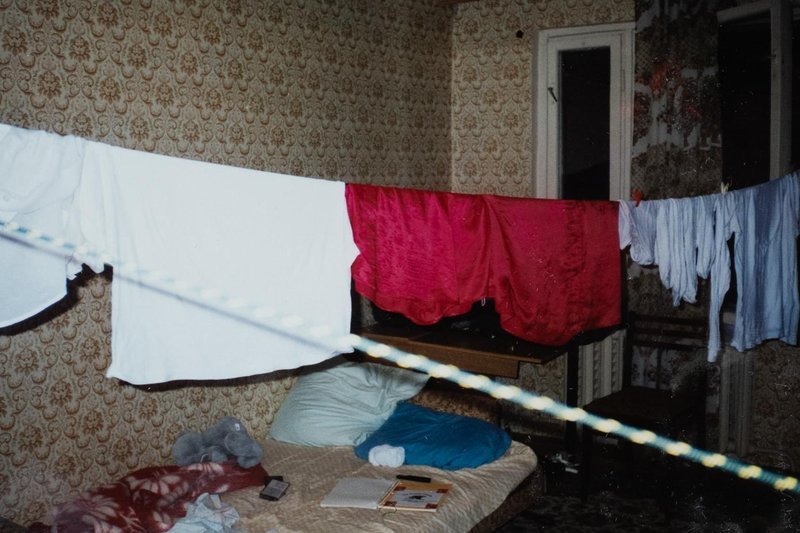
The bathroom had the same brown tile and a long-necked faucet that swung between the tub and the sink. Miss your spot and you were mopping the floor. Dad bought a wind-up washer that hooked to the bathroom faucet and lived on boards over the tub — an absolute eyesore that he defended as engineering. I mostly washed by hand on the white plastic washboard on top, and when the line went up in my room I learned to watch my head. Jeans and sweatshirts took over a day to dry, so on warm days I wore light dresses and let the same pair of slacks do double duty. For a bath I boiled a few pots of water — an eternity on that little range — and sat in maybe two inches of it, washing as fast as I could.
## Objects of compromise
Most of our crew got hot water back during the summer. Our building didn’t. Not one day. Hot water is how this country survives its winters, so the pipes got summer maintenance, and for weeks the joke followed us everywhere: do you have hot water today? I was so desperate for a proper bath once that I boiled for hours, read a book, and finally sank into warm water with my eyes shut. It was the best ten minutes of the summer.
## What I do now in a carry-on
That summer rewired how I pack. I run the minimum: a travel-size kit that survives a hotel sink, a spare that fits the carry-on, nothing else on the counter. When a hotel faucet drips or the kettle takes forever, I stop asking the room to perform. I bring my own kettle lid, my own water, and I say kashmar under my breath — because the fix was always ten minutes of boiling, never a product.
Glow on, even on the move.